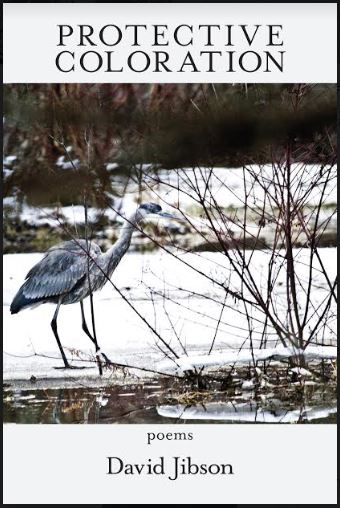
 In this splendid collection of engaging and unmistakably American poems, David Jibson manages to find beauty in utterly unexpected places: piled up on a back shelf at the Salvation Army Store, for example, or strung along the bedraggled length of the Ohio Turnpike—or perhaps in the lovely, tentative dance of a blind woman learning to walk with a white cane. Along with a faint echo of Ted Kooser or Billy Collins at their conversational best, you’ll be captivated by Jibson’s own irresistible voice: that of a witty, insightful observer of the astonishments that surround us.
Marilyn L. Taylor / Wisconsin Poet Laureate, Emerita
To read David Jibson’s poems is like leafing through a pile of photos of your life and suddenly rediscovering feelings and events you had forgotten or never knew. Each snapshot is replete with carefully selected images organized to create unity and fulfillment. His poems range from trivia to exotic, from people we recognize to those we would like to meet. Topics include science, religion, philosophy, history, music, art, and (the requisite for all good poetry) basic old-fashioned entertainment.
Lawrence W. Thomas / Founding Editor of Third Wednesday Magazine,
Honorary Chancellor, Poetry Society of Michigan
 See a video reading from Protective Coloration by the author at 3rd Wednesday’s YouTube Channel.
Protective Coloration
The Walking Stick is indistinguishable from his habitat,
as is the Dead Leaf Butterfly, the Pygmy Seahorse,
the Tawny Frog-mouth of Tasmania and the Giant Kelp-fish.
So it is with the poet of a certain age hidden in a corner booth
at the back of the cafe as quiet as any snowshoe hare,
as still as a heron among the reeds.
To Have and Have Not
In the balcony rows where the lovers sit
it’s not so far from heaven
where the beam from a projector
slices the darkness and we,
playing at Bogie and Bacall,
splash ourselves up on the screen,
an etching of a former world,
where we wish we could
live out our lives in two dimensions
in the deep shadows of a darkened theater,
the objects of every envy.
Available Now from Kelsay Books and Amazon:


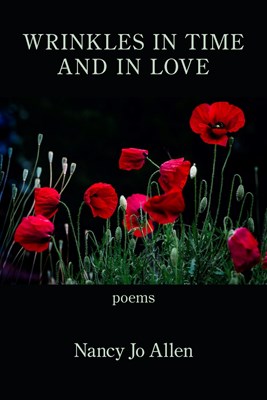 Nancy Jo Allen proudly announces the release (March 20, 2021) of her first collection of poetry through her publisher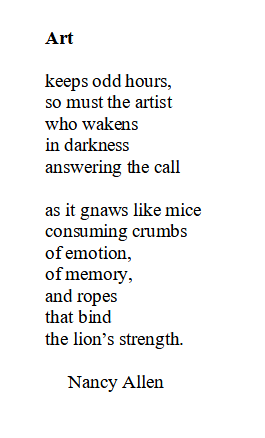
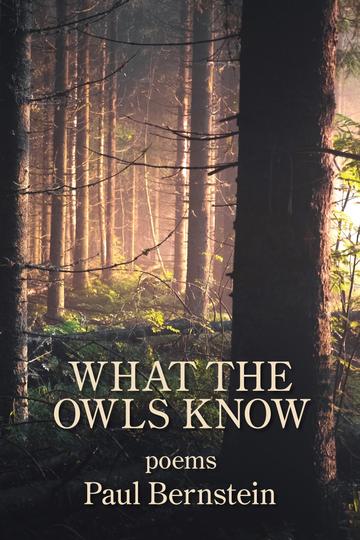 Paperback: 58 pages
 Paul Bernstein is a self-taught poet who began writing seriously after a varied career as a library worker/weekend hippie, anti-war activist, radical journalist, medical editor, and managing editor. His work now appears regularly in journals and anthologies. He is also a prizewinning amateur country music lyricist and a published photographer. Recent work has appeared or is forthcoming in Front Porch Review, Muddy River Poetry Review, New Plains Review, Third Wednesday, and U.S. 1 Worksheets. Paul currently lives in Ann Arbor, Michigan. He suffers from an addiction to Michigan sports contracted as an undergraduate but is otherwise functional.
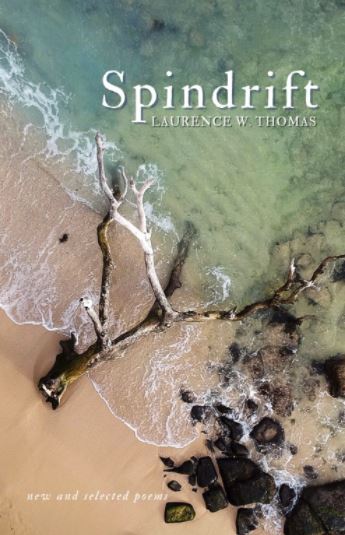 Spindrift suggests stuff blown onto beaches, beaches of discovery in one’s mind. When these poems show a squirrel, a fish, birds, a beggar, an Irish pub, or a dish we see these as metaphors which conjure up ideas or feelings from our own familiarity with them. A poem that begins as an abstraction, like an enemy or peace or patience, becomes objectified. Spindrift is comprised of whatever little gems might be found along the shore, examined closely to become part of the reader’s experience. These jottings of spindrift take off from that experience like going to an airport when you want to be someplace else – or like poems which say one thing when they mean another.
 Laurence W. Thomas is the founding editor of
 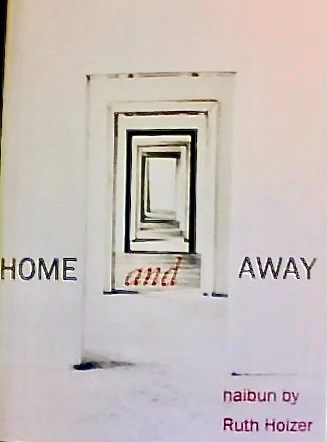 Home and Away
  Bio: Ruth Holzer is the author of five previous chapbooks, most recently,
  R
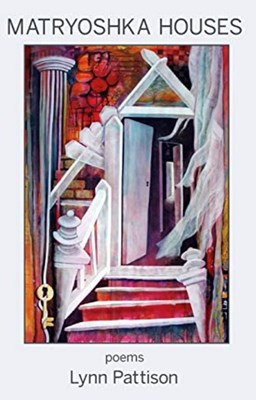
R Lynn Pattison’s work appeared, most recently, at Ruminate and Moon City Review. It has also appeared in Smartish Pace, Pinyon, The Notre Dame Review, Mom Egg Review and elsewhere. Previous collections include : tesla’s daughter (March St. Press); Walking Back the Cat (Bright Hill Press) and Light That Sounds Like Breaking (Mayapple Press).
 The Wild Severance delivers on its title. Pelicans, crows, gulls, fireflies, robins, cardinals, bluejays fly from its pages messaging time, illuminating our lives “in the falling darkness.” But it’s not only the natural world this poet loves: he writes of literary and mythological figures, elevating them to existence with language. There are people to remember, too: where a second child fits; how coffee brings a mother and father back from memory; present-day family encounters, “while I watch from my chair I see five generations.” This is a book rich with what is true and what lasts; V.P. Loggins makes us believe that there’s sanctity enough in this cold world to make poetry that honors the glorious.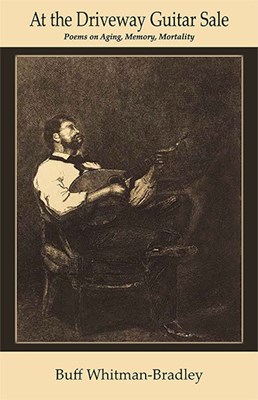

 Third Wednesday Magazine